Is it really the end of tax relief for homeworking?
In her 2025 Budget the Chancellor announced the end of tax deductions for “non-reimbursed homeworking expenses”. How might the loss of the deduction affect you and is there an alternative tax relief you can take advantage of?
Job expenses
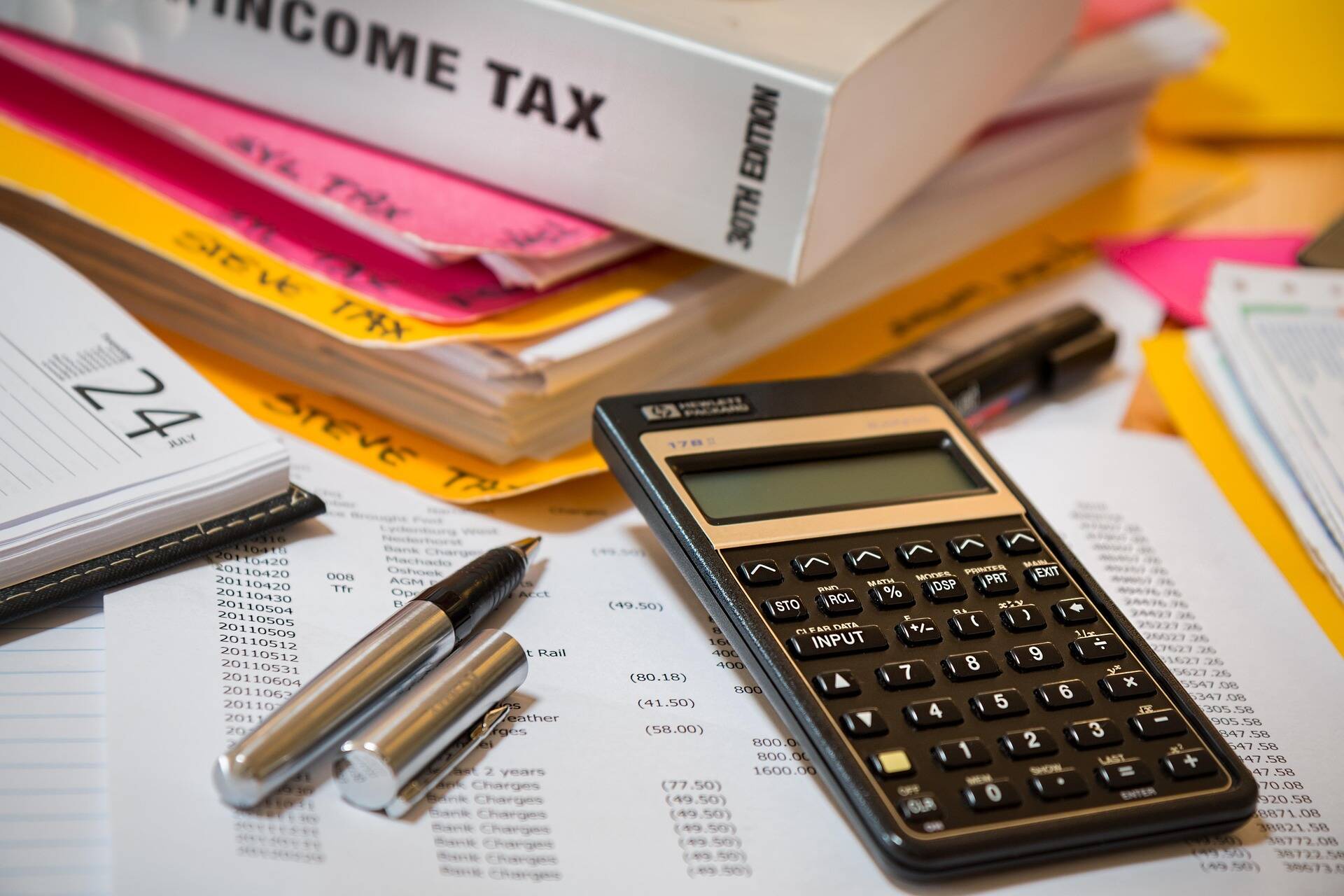
The Chancellor’s 2025 Budget signalled the end of a tax break which HMRC has long disliked despite it being entirely fair and reasonable: tax relief for household costs incurred by employees who work from home. The tax deduction will end on 5 April 2026. Therefore, 2025/26 is the final year for which tax relief can be claimed.
The change announced in the Budget only affects work-related household expenses incurred by employees (including directors). It has no impact on corresponding deductions for expenses incurred by sole traders and business partners.
Low hanging fruit
The rules around the disappearing tax relief are somewhat confusing. HMRC guidance, a longstanding “administrative easement”, plus a special concession because of the pandemic have led to a general misunderstanding of the tax deduction.
The confusion has been made worse by dodgy media reports which caused many employees to claim the deduction despite not meeting the conditions. This made the relief an obvious and easy target for the Chancellor to go after.
Tax relief still allowed
The good news is that after 5 April 2026 tax relief will still apply to homeworking costs incurred by employees in two situations. The first allows employers to pay their employees a tax and NI-free allowance for additional household costs where:
- there’s an agreement between the employer and the employee (it needn’t be in writing) confirming they can work from home; and
- the employee works regularly from home. This doesn’t mean full time, but there must be a pattern, e.g. two days per week.
You can either pay a flat rate of £6 per week or a higher amount if justified.
The second tax relief allows employers to provide goods and services to employees so that they can work from home. Unlike the first type of relief there’s no need for them to work regularly from home or for there to be a formal agreement. The provision of goods and services is tax and NI exempt as long as the employee’s private use is “not significant”.
HMRC’s view of what counts as not significant is quite generous, which means employees can get some real tax and NI-free advantage from this exemption.
Note. There’s no financial cap but the employee must have a genuine need for the goods and services so they can do their job. Plus, the employer must pay for the goods and be contractually liable for their cost. The exemption can apply to, say, office equipment, e.g. a desk, chair, computer, etc., as well as services like phone and broadband.
Related Topics
-
Menopause and mental health support can be tax-free
Employers offering counselling and wellbeing services to staff have received clarification about which services can be provided tax-free. Updated guidance specifically includes menopause and mental health support, but not all employee assistance programmes will qualify. What should employers check?
-
HMRC attacks legitimate staff travel costs
The Upper Tribunal recently ruled on a dispute between HMRC and British Airways (BA) regarding the free accommodation it provided for its employees. HMRC said it was taxable, BA disagreed. What was the outcome?
-
Deadline to pay Class 1B NI


 This website uses both its own and third-party cookies to analyze our services and navigation on our website in order to improve its contents (analytical purposes: measure visits and sources of web traffic). The legal basis is the consent of the user, except in the case of basic cookies, which are essential to navigate this website.